
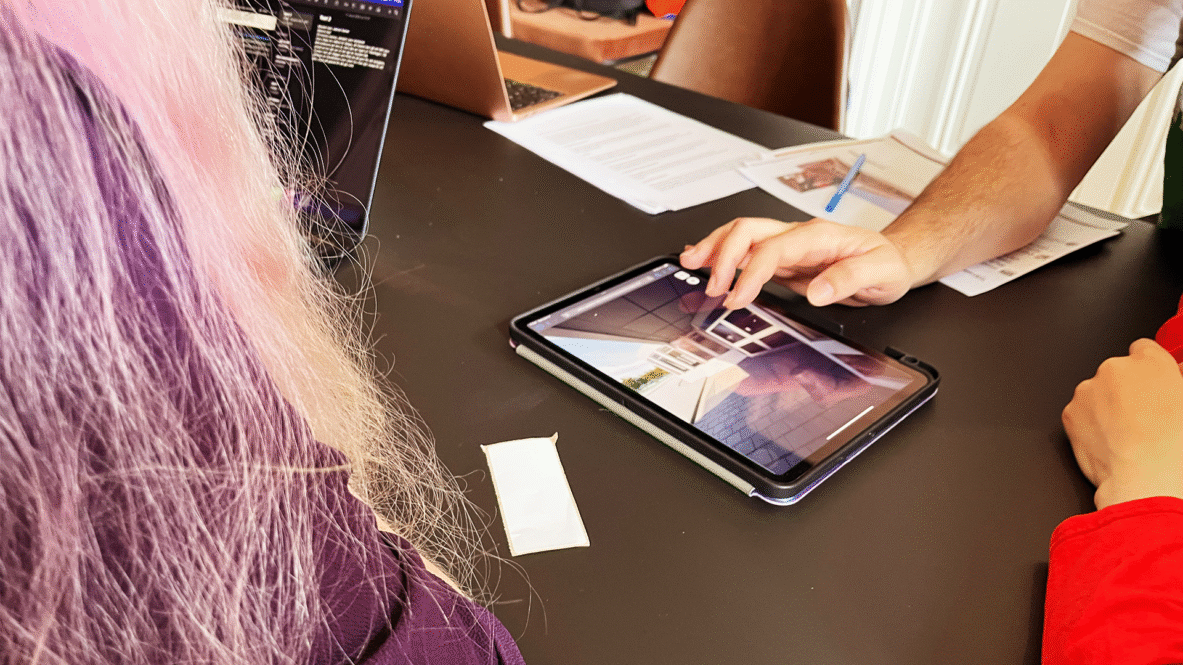
“For me, it quickly became clear that detailed information is important for many families.”
Working with universal design and inclusion cuts across organisations and different roles. For example, we have previously published interviews with CEOs, sustainability managers, accessibility specialists, and innovation leaders that we've worked together with. Within the EU‑funded project European Citiverses Uniting for Inclusiveness, we at Our Normal work closely with UX designers, among others. We took the opportunity to ask a few questions to Emilia from KokoKaka, who works with UX design in the project.
Who are you?
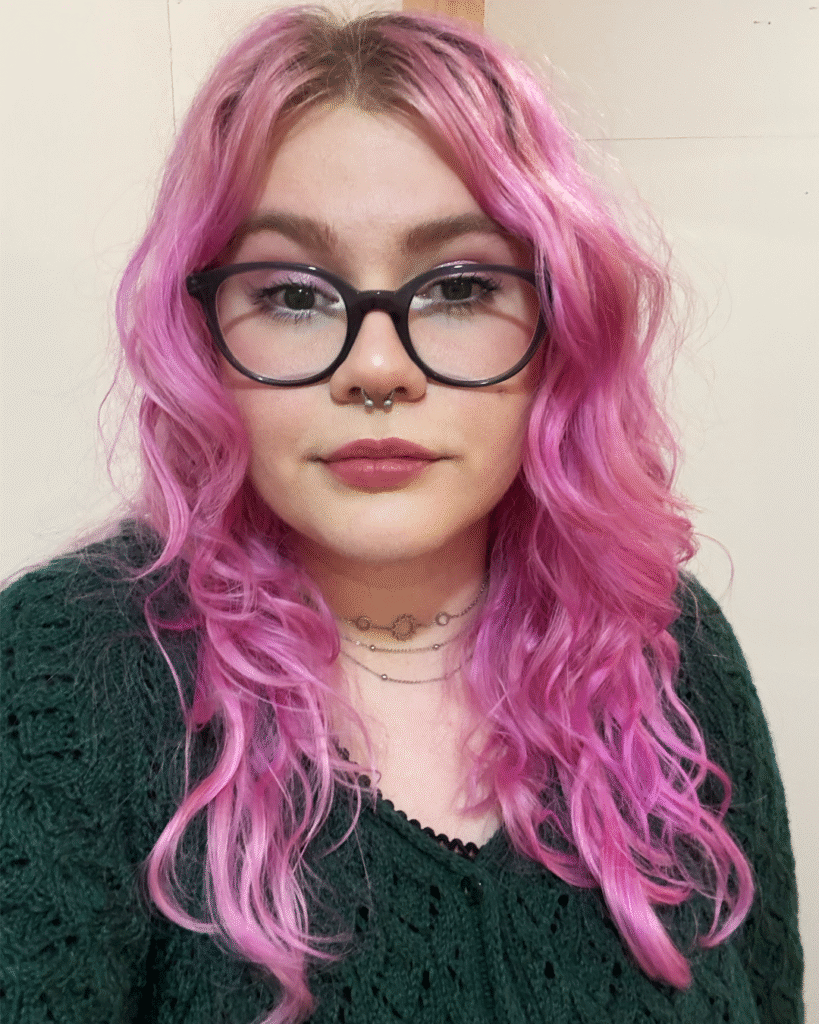
My name is Emilia and I work as a UX designer. UX stands for user experience. This means that I work to ensure that products and services, such as apps and websites, are usable and accessible for as many people as possible. I’ve always had an interest in both technology and people, and in my role as a UX designer I can create technical solutions in a way that meets users’ needs.
What is your role in the project?
In the CU project, I work with user testing, interviews, and design. Together with Our Normal, we apply universal design principles to make sure the solution is created in a way that as many people as possible can use it. Through interviews and user tests, we can understand visitors’ needs and any challenges they might face when planning for or attending an event. I can then use the information we collect when we build the solution we’re working on now.
In what ways do you believe the project can benefit society?
This project gives us the opportunity to listen to groups that previously haven’t had as much of a voice. If these groups gain access to the information they need, they can feel more confident when visiting a place. I also believe that more people might feel encouraged to attend an event or visit a location when they have access to more information in the planning stage, and that benefits society as a whole when more people can feel included.
What insights have you gained after participating in the initial user tests with Our Normal?
For me, it quickly became clear that detailed information is important for many families. Some information is even crucial for whether certain families can visit a place or not, such as access to an accessible restroom.
Many also found it intuitive to explore the digital twin themselves and make their own assessment of whether the place meets their needs.
The digital twin can also help motivate children to want to visit. It can be difficult to describe a place to a child – but if they get to explore and familiarize themselves with it before a visit, they gain a completely different understanding.